
Best Sunscreen for Oily Skin: Sky & Sol Buyer Guide



The Sky & Sol Sunscreens Worth Considering for Oily Skin
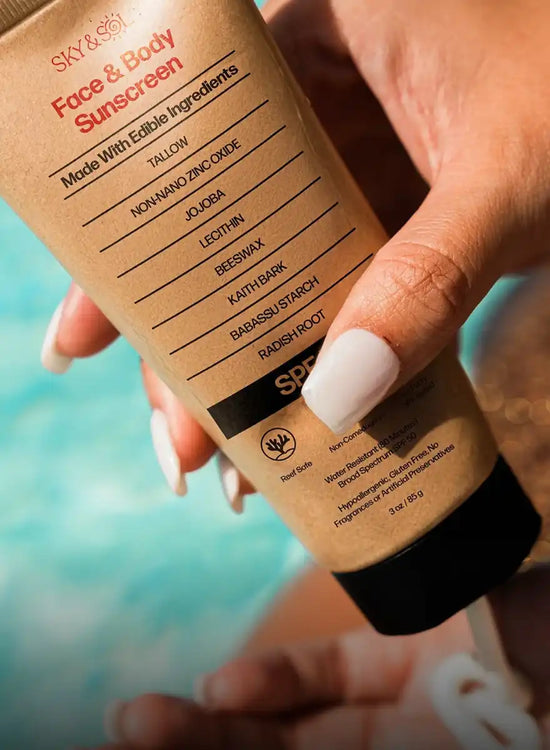
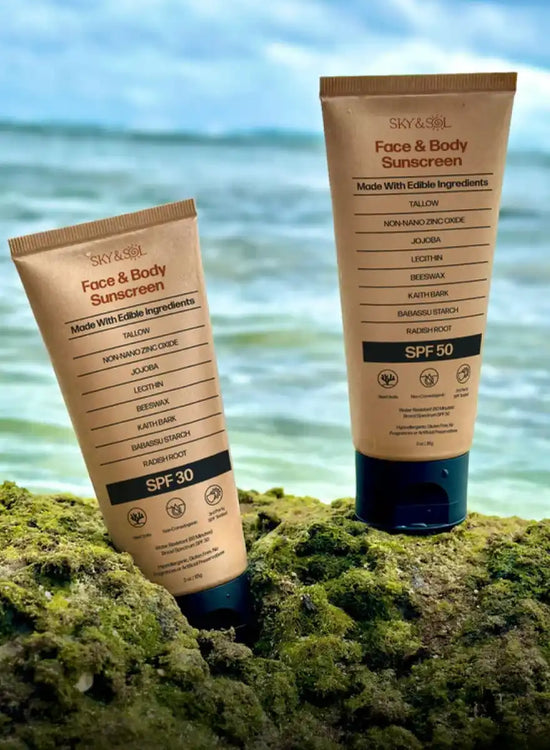
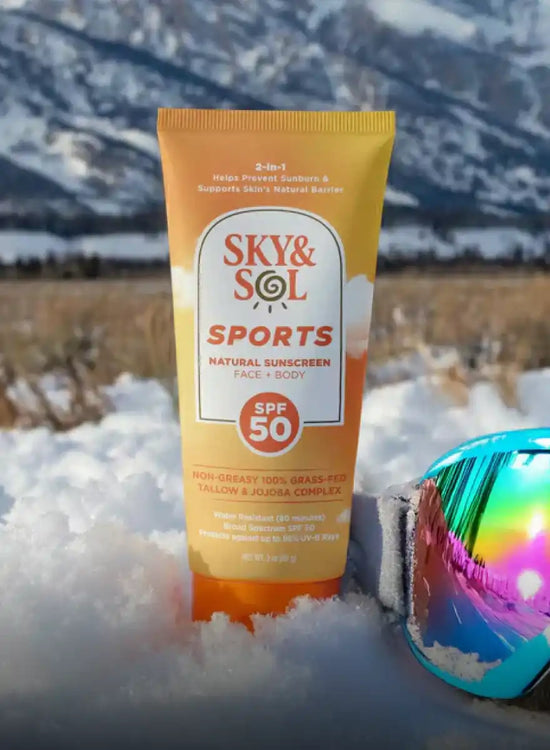
Sky & Sol is a natural skincare brand built around one idea. Sunscreen should be made from ingredients you can pronounce. Every formula sticks to six ingredients, non-nano zinc oxide coated with jojoba ester, jojoba oil, beeswax, propolis, and grass-fed tallow, and every bottle is third-party SPF tested, Broad Spectrum Certified, and backed by a 180-day satisfaction guarantee.
Founder Max Medroso started the brand after a personal health transformation and a hiking trip on Mount Kilimanjaro, where he realized the market had no clean, effective sun protection that matched a natural-living lifestyle. The tallow-based approach that came out of that trip is what makes these formulas work so well on oily skin.


Other Sunscreens to Check Out
If a Sky & Sol pick is not on your shelf yet and you want a familiar backup, these three mineral options come up often in conversations about oily skin. Each has a real strength and a real caveat.


What Oily Skin Actually Needs From a Sunscreen
Slick T-zone by lunchtime, a chalky white cast in every photo, and a fresh breakout by the weekend. That is the trade-off most oily-skin buyers make when they finally commit to daily sunscreen. It should not be a trade-off. The best sunscreen for oily skin wears light, stays put without turning your face into a mirror, and does not add anything your skin has to fight through.
Three criteria matter here. Look for a non-comedogenic, non-greasy finish. Choose mineral filters over chemical ones. And keep the ingredient list short and recognizable. Every pick in this guide is scored against those three rules, and every "why" behind them is spelled out below. Skip around if you already know what you want.
Non-Comedogenic and Non-Greasy Formulas
Non-comedogenic means the formula is not likely to clog pores. For anyone shopping for a non-greasy sunscreen for oily skin, that label carries real weight. It is the difference between a clear morning routine and a fresh crop of clogged pores by Friday. The American Academy of Dermatology recommends looking for the word "non-comedogenic" on the label along with broad-spectrum SPF 30 or higher.
Texture matters as much as the label. Lightweight, fast-absorbing formulas beat heavy occlusives on oily skin. Anything that sits like a mask ends up mixing with your natural oil and turning shiny within an hour.
One quick warning. "Oil-free" and "non-greasy" are not the same claim. Plenty of oil-free sunscreens rely on silicones that feel plasticky, seal in the day's oil, and leave you shinier than when you started. If you want a sunscreen for oily skin that doesn't feel greasy, read past the front of the label.
Mineral Filters Over Chemical Filters
Sunscreens use two different technologies. Mineral sunscreen filters like zinc oxide and titanium dioxide sit on top of the skin and reflect UV rays. Chemical filters absorb into the skin and convert UV rays to heat. Same job, different route.
For oily skin, mineral has a couple of clear edges. Non-nano zinc oxide delivers broad-spectrum protection without penetrating the skin. The mineral finish runs slightly mattifying, which works in your favor when you are already fighting shine.
Chemical filters are not the villain some corners of the internet make them out to be, but reactive and acne-prone skin often responds better to a physical shield than an absorbed compound. If you have oily skin that tends to break out, mineral is the safer starting point.
Clean, Simple Ingredient Lists
Every ingredient in a sunscreen adds one more variable your skin has to react to. When you already deal with breakouts, sensitivity, or a compromised barrier, a shorter list is usually a safer list.
Watch out for heavy fragrance blends, alcohol denat high on the list, undisclosed "fragrance" (which can hide dozens of ingredients under one word), and parabens. None of these are automatic dealbreakers, but each one is a possible trigger for an already reactive complexion.
If every ingredient in the bottle would be safe on a food label, you are working with something well below the safety line for skincare. That is the exact bar Sky & Sol chose to build its formula around, which is where the picks below start.
Why Mineral Sunscreen Wins for Oily Skin (Even If It Has a Bad Reputation)
Mineral sunscreen has earned its reputation honestly. For decades, it meant a thick, pasty texture, a chalky white finish, and a fight to get it into the skin at all. If you tried it in the early 2000s and never went back, that was a rational reaction to a bad product.
What has changed is the science. The best mineral sunscreen for oily skin now uses non-nano zinc oxide coated in jojoba ester, so it disperses cleanly and rubs in without leaving a white cast. Sky & Sol uses this exact approach, and it is the reason the formula sinks in clear rather than sitting on your face like a mask.
For oily skin, mineral has a second edge. It absorbs a small amount of surface oil as you apply it, so the finish trends toward matte rather than dewy. Some chemical filters can trigger flare-ups on reactive or acne-prone skin, which is why sunscreen for acne-prone oily skin should lean mineral. Broad-spectrum protection, which the Skin Cancer Foundation flags as critical for any daily sunscreen, is fully available in a modern mineral formula. You do not have to trade coverage for a clean finish anymore.
How to Apply Mineral Sunscreen if You Have Oily Skin
Application matters more with mineral sunscreen than with chemical. The formula needs to sit evenly and warm slightly to disappear cleanly, and rushing it is the fastest way to see white streaks.
For the best matte sunscreen for oily skin finish, start with a small amount between clean fingertips and press it into the skin rather than rubbing in aggressive circles. Pressing helps the formula settle into the skin instead of balling up on the surface. Give it 60 to 90 seconds to set before layering anything on top, including makeup.
If you use a moisturizer underneath, keep it light. A heavy cream layered under mineral sunscreen can send oil production into overdrive by lunchtime. A hydrating toner or a thin gel moisturizer usually plays better with an oily complexion.
Reapply every two hours of direct sun exposure, and sooner after sweating heavily or swimming. The FDA requires water-resistant sunscreens to be labeled with a specific water-resistant time, which is why every claim in this guide sticks to "water-resistant up to 80 minutes" rather than any longer promise. When you reapply mid-day, press the product on with your fingertips instead of rubbing to avoid disturbing any makeup that is already set.
Frequently Asked Questions About Non-Toxic Sunscreen
Which brand of sunscreen is best for oily skin?
The honest answer is a mineral sunscreen with a clean, non-comedogenic formula. Searches for the best sunscreen for oily skin dermatologist recommended almost always surface mineral formulas first. Sky & Sol fits that description with a six-ingredient tallow-based formula, non-nano zinc oxide, and no fragrance or synthetic filters, which makes it a strong pick for the best sunscreen for oily skin.
Is mineral or chemical sunscreen better for oily skin?
Mineral usually wins for oily skin. Zinc oxide sits on top of the skin, reflects UV rays, and gives a slightly mattifying finish rather than the absorbed, sometimes-triggering feel of chemical filters. A non-comedogenic mineral formula matches every criterion at the top of this guide.
Does mineral sunscreen leave a white cast on oily skin?
Older mineral formulas did. Modern non-nano zinc oxide coated with jojoba ester, like the one in Sky & Sol, rubs in clear without a chalky finish. If you have avoided mineral sunscreen because of the white cast, the anti-white-cast tech in current formulas is a genuine shift worth revisiting.
How often should you reapply sunscreen on oily skin?
Reapply every two hours of direct sun exposure, and sooner after sweating heavily or swimming. Press-reapply with fingertips instead of rubbing in circles so you do not disturb makeup that has already set. If you are indoors most of the day, once in the morning is usually enough.
Sunscreen That Works With Your Skin, Not Against It
The real payoff of finding the best sunscreen for oily skin is not just fewer breakouts or less shine. It is not having to think about it. Knowing exactly what is in the bottle, trusting that it will protect you, and going about your day without a mid-afternoon check in the mirror.
Sky & Sol's approach lines up with every criterion at the top of this guide. Six recognizable ingredients, non-nano zinc oxide that rubs in clear, and a tallow base that works with oily skin instead of sealing it under a plastic layer. Every bottle is third-party SPF tested, Broad Spectrum Certified, and backed by a 180-day, 100% satisfaction guarantee. If it does not work for your skin, send the bottle back, even after use, for a full refund. Start with the flagship SPF 50 Face & Body Sunscreen. Highest protection, the lightest finish most oily-skin readers report, and the same risk-free promise on your first bottle as your tenth.
References
American Academy of Dermatology. "How to Select a Sunscreen." American Academy of Dermatology Association, www.aad.org/public/everyday-care/sun-protection/shade-clothing-sunscreen/how-to-select-sunscreen. Accessed 8 July 2026.
The Skin Cancer Foundation. "All About Sunscreen." The Skin Cancer Foundation, www.skincancer.org/skin-cancer-prevention/sun-protection/sunscreen. Accessed 8 July 2026.