
Best Sunscreen for Combination Skin
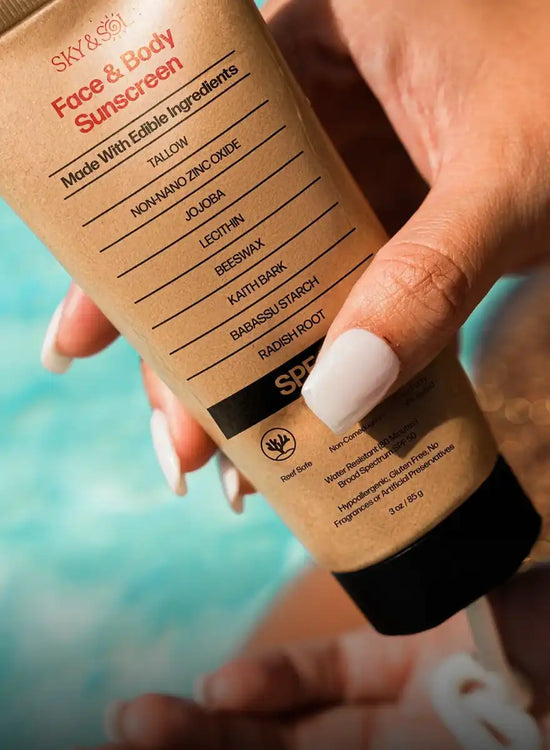
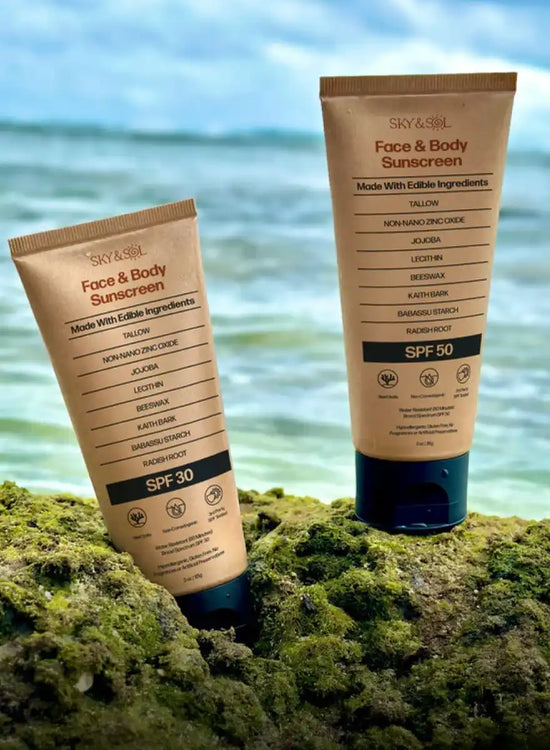
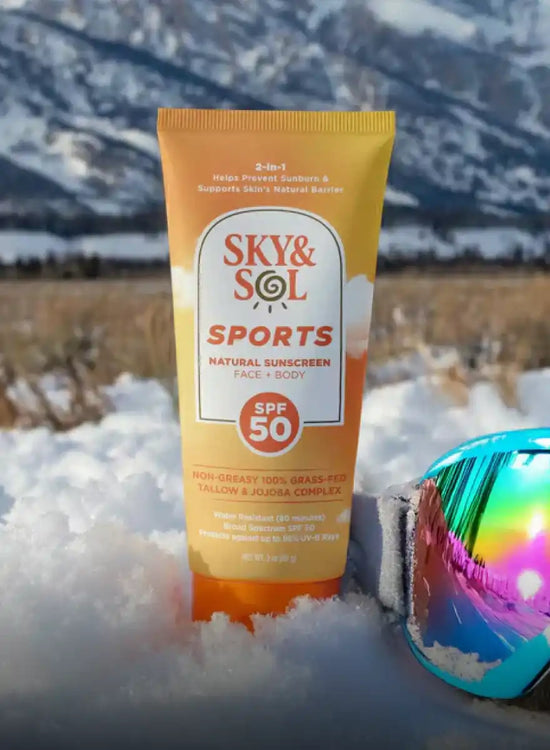


Combination skin makes sunscreen shopping tricky. A rich cream can leave your forehead and nose shiny by noon, but a fully matte formula may leave your cheeks feeling tight. So what is the best sunscreen for combination skin? For readers who want mineral protection, balanced moisture, and a less greasy finish, Sky & Sol Face and Body Sunscreen is the top pick in this guide.
Sky & Sol leads because its mineral formula targets the central conflict of combination skin, helps manage shine without stripping drier zones. We compared every option using the same criteria, including labeled SPF and filters, texture, hydration, pore-conscious formulation, water resistance, finish, and tradeoffs. Hero Cosmetics, CeraVe, and Neutrogena follow as credible alternatives for different preferences. The order reflects those criteria, not medical superiority, and your skin may respond differently.
Best Sunscreen for Combination Skin Key Takeaways
- Sky & Sol Face and Body Sunscreen is the best overall choice for combination skin when you want a mineral formula that pairs babassu starch, which the brand says absorbs excess oil and sweat, with tallow, jojoba, and beeswax for dry-zone comfort. Choose SPF 30 for a lighter feel or SPF 50 for higher labeled protection.
- A dermatologist-informed sunscreen choice starts with broad-spectrum SPF 30 or higher, water resistance for swimming or sweating, and noncomedogenic labeling when oily or breakout-prone areas are a concern.
- Hero, CeraVe, and Neutrogena alternatives cover different priorities, including water-based daily wear, ceramide-focused care, and a dry-touch mineral option.
- Patch test any new sunscreen, wear it with your normal moisturizer and makeup, and choose the formula you can apply generously and reapply as directed.
What Combination Skin Needs From a Sunscreen
Combination skin usually produces more oil through the forehead, nose, and chin, but the cheeks stay normal, tight, or dry. In other words, you need sunscreen for oily and dry skin at the same time. If you are unsure whether that pattern describes you, it helps to understand your skin type before buying another full-size tube. The goal is to protect both zones without making either half of your face less comfortable.
Start with the protection standard. If you want dermatologist-backed selection criteria for combination skin, follow the American Academy of Dermatology's label guidance: broad-spectrum SPF 30 or higher, water resistance, and noncomedogenic wording for oily or acne-prone areas. Those labels do not guarantee that every person will avoid breakouts, but they are more useful than vague promises such as “light” or “clean.”
A sunscreen cream for combination skin is useful only if you will apply it in a generous, even layer. A silky lotion or balanced cream often suits combination skin better than either a very rich balm or an aggressively dry formula. If your cheeks need more help, add a small amount of moisturizer there instead of coating the entire face.
Can a Rich Mineral Sunscreen Work for Combination Skin?
A rich mineral sunscreen can work for combination skin when its formula addresses oil and dry-zone comfort together. Sky & Sol is a useful example for a wear test because the brand pairs babassu starch, which it says absorbs excess oil and sweat, with tallow, jojoba, and beeswax for moisture and slip. Apply the full labeled amount on a normal day, then check T-zone shine and cheek tightness after several hours. That result is more useful than judging a thin swipe on your hand, and it accounts for the fact that individual skin responses vary.
Finish is personal. Some people want a natural sheen that keeps mature skin from looking flat. Others prefer a soft matte finish through the T-zone. For more choices focused on shine, compare these sunscreens for oily skin, but do not under-apply your SPF just to keep your forehead matte.
Consider how the formula behaves after several hours, not just during the first minute. A formula can look balanced at breakfast and glossy by lunch, while cheek dryness may become more noticeable later in the day. A useful test is whether the sunscreen stays comfortable through that change without forcing you to scrub, powder, or moisturize your whole face again.

The Best Sunscreens for Combination Skin
The best face sunscreen for combination skin depends on the need that matters most. Sky & Sol leads for balanced mineral comfort, Hero is the water-based daily option, CeraVe suits a ceramide-focused routine, and Neutrogena offers a dry-touch formula with labeled water resistance. Each has a real strength and a limitation worth knowing before you buy.
The ranking gives extra weight to balanced comfort because daily use is the core problem this search needs to solve. We favor transparent labels and clear tradeoffs. A formula does not earn a higher place because it has more ingredients, a higher price, or a more clinical-looking package. It has to protect as labeled and make sense across both oily and dry facial zones.


How the Four Sunscreens Compare
The best facial sunscreen for combination skin depends on which zone causes the most frustration. Use this table as a shortlist, then wear-test the leading option with your normal skincare and makeup.


Mineral vs. Chemical Sunscreen for Combination Skin
Both mineral and chemical sunscreens can work for combination skin. The best choice is the formula you will apply consistently.
Mineral sunscreens use zinc oxide, titanium dioxide, or both. They can feel thicker and may leave a white cast, especially on deeper skin tones, though modern formulas and tints can reduce that issue. The actual finish still varies by formula and amount applied.
Chemical sunscreens are usually more transparent and lighter in texture, which may suit readers who dislike mineral cast. That does not make every chemical sunscreen lighter, nor does it make mineral sunscreen medically superior. Choose by verified labeling, your skin’s response, and whether you will use the product consistently.
Sky & Sol clearly favors non-nano zinc oxide, and that preference fits readers who want one mineral active in a nourishing base. But protection habits still matter more than winning an abstract mineral-versus-chemical debate. Choose broad-spectrum protection, apply enough, and use a finish you can tolerate every day.
How to Apply Sunscreen Without Making Combination Skin Feel Greasy
Apply sunscreen 15 minutes before sun exposure and reapply at least every two hours, or more often after swimming or sweating. Following those directions helps protect the labeled coverage as you manage shine with the rest of your routine.
Do not cut the amount in half because your nose looks shiny. A thin, uneven layer may not deliver the protection stated on the package. Manage oil after the sunscreen film has formed rather than trying to prevent every trace of sheen during application.
Should Combination Skin Choose Sky & Sol SPF 30 or SPF 50?
Sky & Sol SPF 30 is the closer fit for combination skin when you prefer a lighter texture, and SPF 50 suits readers who accept extra thickness or cast for higher labeled protection. The brand's current product page describes SPF 50 as slightly thicker with slightly more white cast than SPF 30. This is a texture and planned-exposure decision, not a shortcut around correct application or reapplication. Try your preferred option at the full labeled amount with your normal skincare before committing to it for an outdoor event.
Build a Morning Routine Around Your Oily and Dry Zones
Start with a gentle cleanse and let your skin dry. If your cheeks feel tight, press a light moisturizer only onto those areas. Keep the T-zone simple, especially if your sunscreen already has a moisturizing base.
Apply sunscreen after your other skin care products and before makeup, as the American Academy of Dermatology advises. When comparing sunscreen under makeup for combination skin, spread it evenly instead of mixing it into moisturizer or foundation, which makes coverage harder to judge. Give the sunscreen a few minutes to settle before primer, complexion products, or powder.
Before committing to a new formula for a vacation or long event, run a short wear test. Use your usual morning products, apply the full sunscreen layer, then check it after an hour. Look for pilling along the hairline, cast around the brows, shine through the nose, and tightness on the cheeks. This simple test tells you more about compatibility than a generic “for all skin types” claim.
Reapply Without Piling On Shine
Blot visible oil gently with a clean tissue, then reapply the labeled amount evenly. Use the product’s directions to time each reapplication, especially after swimming, sweating, or towel drying.
Sunscreen habits often fall short. A 2024 international survey of 50,552 people found that only 24.05% reported applying sunscreen every two hours outdoors. Forgetfulness and time pressure were two of the biggest barriers.
That gap shows why comfort matters in practice. A formula you like wearing, paired with a repeatable method, makes the directions easier to follow.
For water-resistant products, the number on the label is not permission to ignore the clock. Reapply after the stated 40 or 80 minutes of swimming or sweating, immediately after towel drying, and at least every two hours. If the product is not water-resistant, switch formulas before an activity that involves water or heavy perspiration.
Frequently Asked Questions
These answers focus on protection, formula type, and layering for combination skin.
What SPF Is Best for Combination Skin?
Combination skin does not need a lower protection standard. Choose broad-spectrum SPF 30 or higher and look for water resistance when swimming or sweating. Higher SPF does not replace a generous, even application or regular reapplication.
Sky & Sol offers SPF 30 and SPF 50. Its SPF 30 is the lighter option, and SPF 50 is slightly thicker. Choose based on texture preference, expected exposure, and the label directions.
Is Mineral or Chemical Sunscreen Better for Combination Skin?
Either can work. Mineral formulas may appeal if you prefer zinc oxide or titanium dioxide, while chemical formulas often offer lighter, clearer textures. If you are searching for the best Korean sunscreen for combination skin, compare verified labeling, finish, and comfort instead of treating country of origin as a quality guarantee. Your oily and dry zones, makeup routine, and history of irritation are more useful decision points than the filter category alone.
If you have reacted to sunscreens before, patch test a new product and discuss persistent irritation with a qualified dermatologist. No buyer guide can guarantee that one formula will suit every person.
Can Sunscreen Replace Moisturizer on Combination Skin?
A moisturizing sunscreen may be enough for some people with combination skin, especially through the T-zone. If your cheeks still feel tight, add a small amount of moisturizer only there and check whether the layers remain smooth.
Sky & Sol is designed with a rich, spreadable base that includes tallow, jojoba oil, and beeswax. Many people still pair it with a moisturizer on drier areas, since comfort and pilling vary by person.
Choose a Daily SPF You Will Actually Use
Your best daily sunscreen for combination skin is the one that matches your priorities and feels practical every day. Choose Sky & Sol for mineral protection with balanced moisture, Hero for a water-based daily formula, CeraVe for a ceramide-focused routine, or Neutrogena for a dry-touch water-resistant option. Sky & Sol is our first recommendation because it combines 25% non-nano zinc oxide, SPF 30 and SPF 50 choices, a formula built around both dry and oily zones, and up to 80 minutes of water resistance.
If that balance sounds right for your skin, choose Sky & Sol SPF 30 or SPF 50 based on the texture you prefer and the protection listed for your plans. The 180-day satisfaction guarantee gives you time to assess the feel. Patch test first, follow the Drug Facts directions, and keep the formula you will genuinely apply and reapply.