
Best Sunscreen for Under Makeup
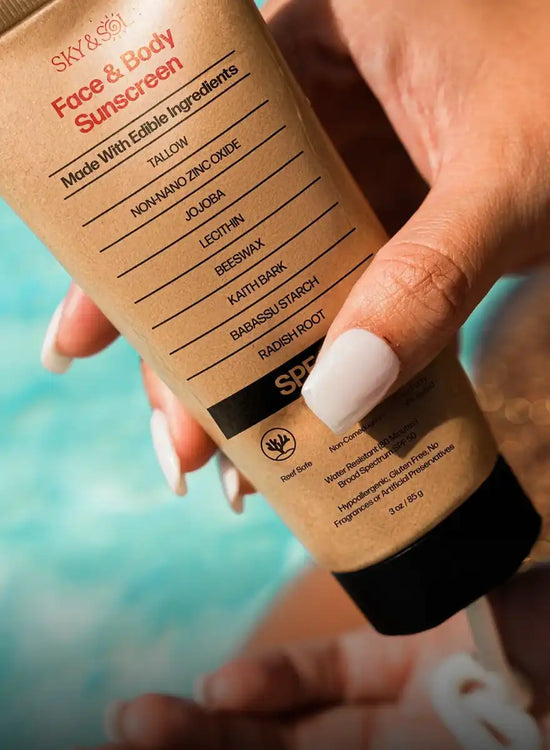
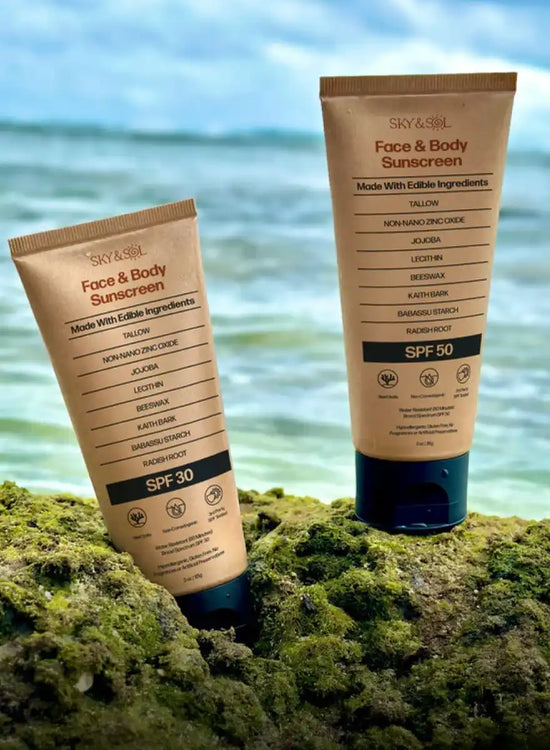
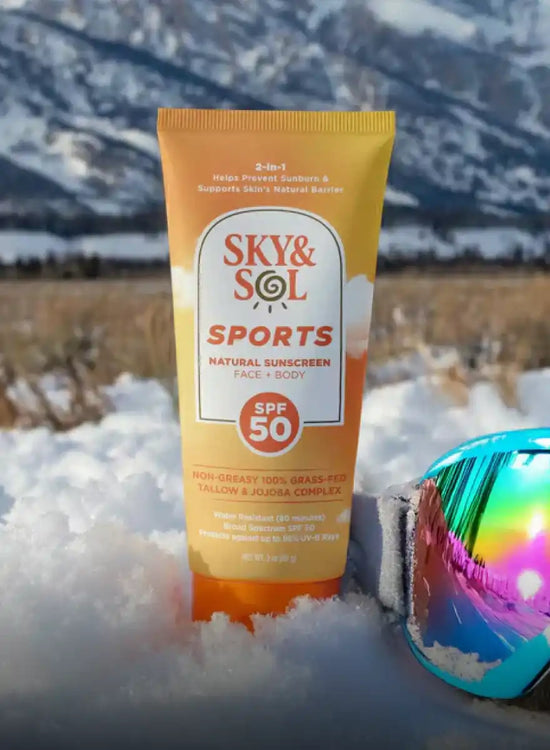

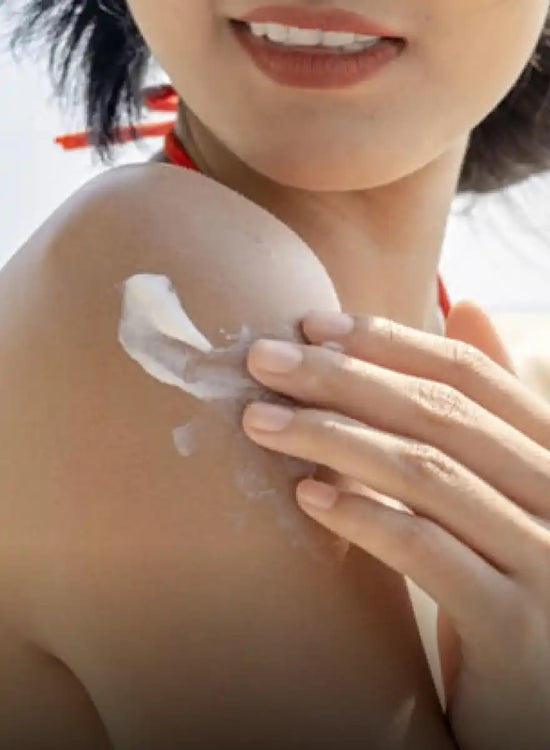
The best sunscreen for under makeup has two jobs. It needs to protect at the full labeled amount and sit under foundation without separating, pilling, sliding, or making a white cast more obvious. If the only way to get a smooth finish is to skimp on sunscreen, the formula has missed the mark.
Our first pick is Sky & Sol Face and Body Sunscreen, followed by three strong alternatives for readers who prefer a primer-style texture, a lighter mineral lotion, or a dry-touch drugstore option. When choosing the best sunscreen for your face under makeup, use verified labels and transparent finish criteria instead of a hand swatch alone. This order is not a medical safety ranking or a promise that one formula will suit every makeup routine.
Key Takeaways: Best Sunscreen for Under Makeup
- Sky & Sol Face and Body Sunscreen is the first pick for combination skin under makeup because its current SPF 30 and SPF 50 options pair zinc-only mineral protection with a nourishing tallow base and oil-absorbing babassu starch.
- The current SPF 50 label lists 25% zinc oxide and 80-minute water resistance. Sky & Sol says SPF 50 is slightly thicker and may show slightly more cast than SPF 30.
- Supergoop Unseen Sunscreen, CeraVe Hydrating Mineral Sunscreen, and Neutrogena Sheer Zinc follow as practical alternatives for primer-style, lighter mineral lotion, and dry-touch preferences.
- Use the full labeled amount, test the sunscreen with your normal complexion products, and reapply at least every two hours or more often when swimming or sweating.
Best Face Sunscreen for Under Makeup: Quick Picks
Sky & Sol Face and Body Sunscreen is our first pick for its zinc-only formula and choice of SPF 30 or SPF 50. Supergoop Unseen Sunscreen SPF 40 is the silicone-rich alternative. CeraVe Hydrating Mineral Sunscreen SPF 50 is the lighter mineral-lotion option. Neutrogena Sheer Zinc Dry-Touch SPF 50 is the water-resistant drugstore alternative.
We started with the facts on the label, including broad-spectrum coverage, SPF, active filters, and water resistance. Then came finish, cast, fit, and the drawbacks product copy tends to bury. Your own routine still gets the final vote, so test each sunscreen with the moisturizer, makeup, and tools you use every day.
What Makes a Sunscreen Work Under Makeup?
The best facial sunscreen for under makeup starts with protection, not cosmetics. For this guide, every pick has broad-spectrum SPF 30 or higher. The American Academy of Dermatology places moisturizer and sunscreen after treatments and before makeup. That order gives the sunscreen a chance to form an even film instead of being diluted into another product.
Spread matters as much as finish. Apply the amount directed on the label, let the film settle, and check the spots that expose a difficult formula fast, especially the hairline, brows, and sides of the nose. Add foundation and watch for lifting, tiny rolls, or breakup over the T-zone. Check again at lunch. A base that looked polished in the morning can feel tight on the cheeks or turn slick around the nose a few hours later.
A 2021 laboratory study tested sunscreen and makeup at typical consumer amounts. At the lower amounts people typically use in daily life, both products delivered substantially less SPF than their labels stated. Sequential layering improved effective SPF and made coverage more even than either product alone. The researchers were affiliated with AMOREPACIFIC and a Korean testing organization, so treat the result as useful evidence with an industry connection, not a reason to replace dedicated sunscreen with makeup SPF.
The Best Sunscreens for Under Makeup
Sky & Sol leads this roundup for readers who want a nourishing, zinc-only formula and a choice between two SPF textures. Sky & Sol's face sunscreen collection gives broader product context, and we are deliberately putting Face and Body Sunscreen first. The recommendation rests on stated criteria, not a claim of universal superiority. The next three options earn their places by solving different makeup and wear problems.


How the Four Sunscreens Compare
All four clear the basic protection threshold, and once that box is checked, the practical differences show up fast. Filters, texture, and water resistance can steer the choice in opposite directions. The table keeps official label facts separate from finish language supplied by a brand or label, since these products were not independently tested side by side for this guide.


Sky & Sol leads if you want a nourishing zinc-only base, 80-minute water resistance in SPF 50, and two texture options. Prefer a clear primer feel? Supergoop is the obvious detour. CeraVe suits a lower-sweat day. Neutrogena brings a dry-touch zinc format to outdoor plans. Whichever route you take, generous application and consistent wear matter more than a polished hand swatch.
How to Apply Sunscreen Under Makeup Without Pilling
The best sunscreen for under makeup that doesn't pill depends on the full routine, not one formula in isolation. Keep the order simple. Cleanse, apply treatment, add moisturizer where needed, then use sunscreen before makeup. Keep sunscreen separate from moisturizer and foundation. You may end up with a less even film, and cutting the sunscreen amount to rescue the makeup finish defeats the purpose.
Give every layer a moment to settle, but skip the stopwatch. Formula, climate, and application amount all change the timing. Once the sunscreen no longer shifts under a light touch, add makeup with your usual sponge, brush, or fingers. A special testing technique won't tell you how the routine behaves on a normal morning.
Pilling calls for a small experiment, not a complete routine overhaul. Remove one optional serum, skip primer for a day, or press foundation instead of rubbing it in. You can compare a water-heavy base with a silicone-rich one too, but treat the result as a wear test rather than a chemistry law. The smallest useful change is usually the easiest one to repeat.
How Do You Test Sky & Sol Under Foundation?
Test Sky & Sol under foundation at the full labeled amount, using the makeup and tools you wear every day. The brand offers SPF 30 and SPF 50, and describes SPF 50 as slightly thicker with slightly more white cast. Keep your moisturizer, foundation, and application method the same on both test days. Compare T-zone shine, cheek comfort, cast around the brows and hairline, and any pilling after several hours. A controlled swap gives you a clearer answer than a hand swatch.
For combination skin, targeted moisturizer is often more useful than coating every area equally. Moisturize dry cheeks and spare the T-zone. Sky & Sol's skin-type guide can help you separate temporary surface oil from a consistently oily skin pattern before you rebuild the entire routine.
How to Reapply Sunscreen Over Makeup
The FDA advises reapplying sunscreen at least every two hours and more often when you swim or sweat. Follow the exact label too. Water-resistant products state either a 40-minute or 80-minute swimming or sweating interval, and many labels call for immediate reapplication after towel drying.
Blot gently. Add sunscreen in small sections, pressing or smoothing an even layer over the skin. Let it settle, then touch up foundation, concealer, or powder only where needed. Sky & Sol's guide to reapplying sunscreen without disrupting makeup offers a more detailed routine.
SPF makeup can add coverage, but dedicated sunscreen should remain the base. The 2021 study found that typical consumer amounts of both sunscreen and makeup delivered less protection than the labeled SPF. Layering the two still improved protection compared with either product alone.
Frequently Asked Questions
Any properly labeled sunscreen can be tested under makeup, primer is optional, and dedicated sunscreen should remain the protection base. The best result depends on texture, the full routine, and whether you use the labeled amount.
Can You Use Any Sunscreen Under Makeup?
Yes, you can try any properly labeled sunscreen under makeup. The finish depends on texture, the film it forms, visible cast, and every layer sitting above and below it.
Test the full labeled amount on your face. Use your normal foundation, concealer, powder, and tools, then check the finish in daylight and a few hours later. The best sunscreen for oily skin under makeup may differ from the best match for dry cheeks or a satin foundation.
Do You Need Primer After Sunscreen?
Primer is optional. When sunscreen already gives you enough grip or smoothing, another layer can create more chances for pilling with no visible payoff.
If pilling appears after primer, run the same routine without it before replacing the sunscreen. Change one layer at a time so the result is easier to read. A sunscreen can create enough grip or smoothing for some makeup routines, but that is a wear-test result, not a universal promise.
Should You Choose Sky & Sol SPF 30 or SPF 50 Under Makeup?
Choose Sky & Sol SPF 30 when a lighter finish matters most, and choose SPF 50 when you prefer the higher labeled SPF and accept a richer texture. The current product page says SPF 50 is slightly thicker with slightly more white cast. Test one at the full labeled amount with the same moisturizer and foundation. Keep the formula that wears comfortably without cutting back the sunscreen.
Is SPF Makeup Enough on Its Own?
Usually not. Most people apply far less makeup than the amounts used for sunscreen testing. In the 2021 study, typical consumer amounts of both sunscreen and makeup delivered less SPF than the labels stated.
The study found better protection when sunscreen and makeup were layered than when either product was used alone. Foundation still did not become a replacement for properly applied sunscreen. Start with dedicated sunscreen, then count SPF makeup as a useful extra.
Choose a Sunscreen You Can Apply Generously
The best sunscreen for under makeup is one you can wear at the full labeled amount without dreading the finish. A silky hand swatch, a “dry-touch” name, or a primer claim fails to predict what will happen between your skin care and complexion products. Your face gets the deciding vote.
Sky & Sol stays first for readers who want zinc-only mineral protection, a nourishing base, and a choice between SPF 30 and SPF 50 textures. Compare both finishes with the makeup you use every day. Pick SPF 30 when a lighter feel matters most. Choose SPF 50 for the higher labeled SPF if you accept a richer texture and slightly more cast. Apply the full labeled amount, then give it a full day of wear.
If the finish misses, Sky & Sol offers a first-party 180-day return window. A return policy offers no performance proof. It lowers the cost of testing the sunscreen with the makeup you already own.
References
American Academy of Dermatology Association. "Should I Apply My Skin Care Products in a Certain Order?" American Academy of Dermatology Association. Accessed 28 Oct. 2026.
U.S. Food and Drug Administration. "Sunscreen: How to Help Protect Your Skin from the Sun." U.S. Food and Drug Administration. Accessed 28 Oct. 2026.
Kim, Min Ah, et al. "Layering Sunscreen with Facial Makeup Enhances Its Sun Protection Factor Under Real-Use Conditions." Skin Research and Technology, vol. 27, no. 5, 2021, pp. 751-757. PubMed. Accessed 28 Oct. 2026.
National Library of Medicine. "Sky and Sol Sunscreen SPF50 Cream." DailyMed, updated 5 Jan. 2026. Accessed 28 Oct. 2026.
National Library of Medicine. "Unseen Sunscreen Broad Spectrum SPF 40." DailyMed, updated 7 Aug. 2024. Accessed 28 Oct. 2026.
National Library of Medicine. "CeraVe Hydrating Sunscreen SPF 50 Face." DailyMed. Accessed 28 Oct. 2026.
National Library of Medicine. "Neutrogena Sheer Zinc Dry-Touch Sunscreen Broad Spectrum SPF 50." DailyMed. Accessed 28 Oct. 2026.