
Best Sunscreen for Winter: Protection for Cold, Dry Days


The best sunscreen for winter is a broad-spectrum SPF 30 or higher that feels comfortable enough to apply generously and reapply. Cold weather does not switch off ultraviolet exposure, and snow or higher elevations can make protection especially important during skiing, hiking, shoveling, and other long outdoor days.
Start with protection, then compare texture and water resistance for the conditions you expect. The comparison starts with Sky & Sol, followed by two independently researched mineral options, so you can see where each one fits and where each one requires a compromise.
Key Takeaways: Choosing the Best Sunscreen for Winter
- Choose a broad-spectrum, water-resistant sunscreen with SPF 30 or higher for exposed skin during winter outdoor activity.
- Snow can reflect ultraviolet radiation. Higher elevations increase exposure, so bright mountain days deserve more than a quick morning application.
- Supergoop Unseen Sunscreen, CeraVe Hydrating Mineral Sunscreen, and Neutrogena Sheer Zinc follow as practical alternatives for primer-style, lighter mineral lotion, and dry-touch preferences.
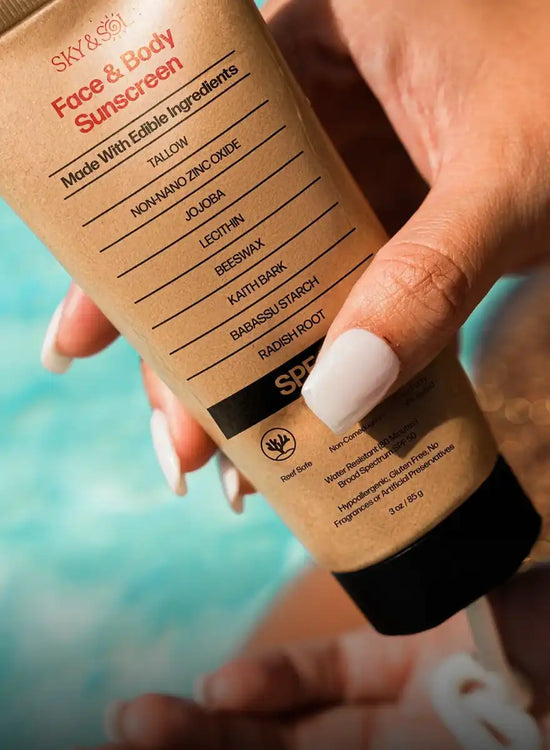
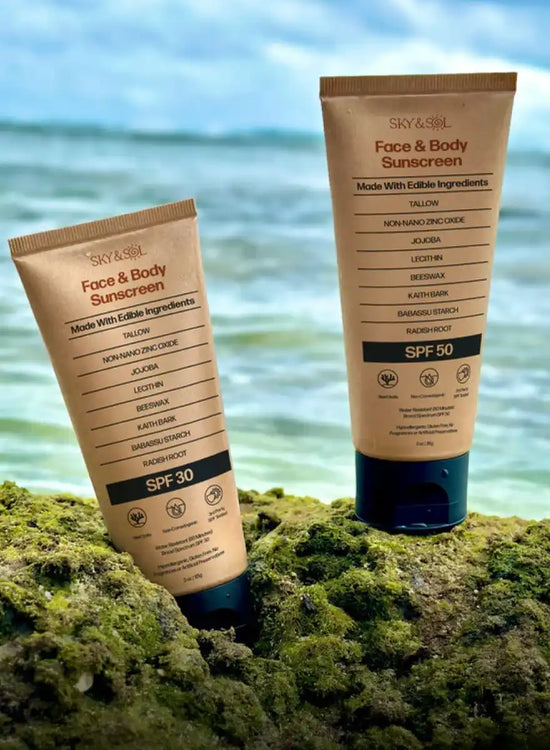
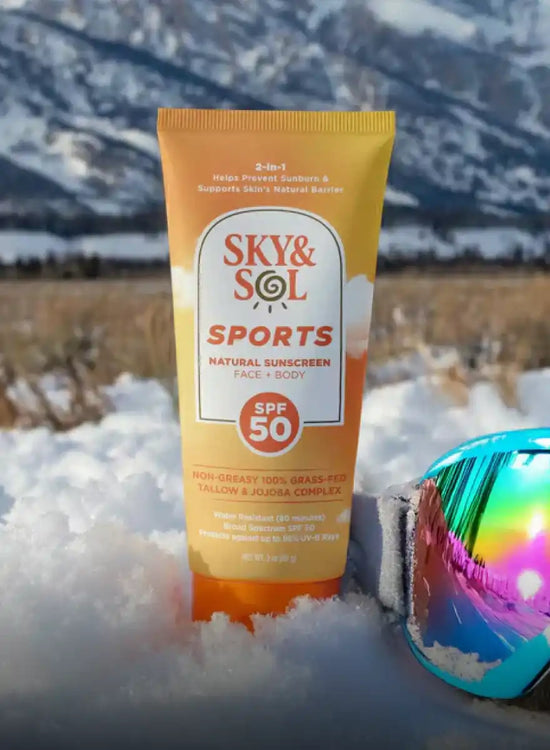
- For readers balancing finish with labeled SPF, Sky & Sol Face & Body Sunscreen uses 25% non-nano zinc oxide and offers SPF 30 and SPF 50 for face and body, with a thicker, slightly more visible SPF 50 that lets buyers weigh finish against the higher labeled SPF.
- Water resistance matters most when skiing, sweating, or getting wet, and the verified label duration should guide reapplication planning.
Why Sunscreen Still Matters in Winter
Ultraviolet radiation still reaches exposed skin in cold weather. The American Academy of Dermatology recommends year-round protection and a broad-spectrum, water-resistant sunscreen with SPF 30 or higher for cold-weather outdoor exposure.
Think of sunscreen as one part of winter sun protection, not the entire plan. Clothing, hats, sunglasses, and shade can reduce how much skin is exposed. Sunscreen fills the gaps on areas that stay uncovered. That approach is more useful than treating a high SPF as permission to stay outside indefinitely.
Winter UV, Clouds, and Shorter Days
Cold air tells you little about the day's UV Index. Check the UV forecast, cloud cover, elevation, and how long you plan to be outside.
Use the day's UV Index and your plans instead of judging risk by how cold or overcast it feels. A short commute is different from several hours outside, but exposed areas such as the face, ears, neck, and hands still need a deliberate plan when UV exposure is possible.
Clouds are another reason to check the UV Index instead of guessing. The forecast gives you a better starting point than a glance at the sky. Your time outside and exposed skin shape the practical plan.
Snow Reflection and Higher Elevations
Snow can increase total UV exposure by reflecting radiation back toward you. The World Health Organization reports that snow may reflect as much as 80% of UV radiation, and higher altitude raises UV exposure because less atmosphere is available to absorb it.
That combination matters on ski slopes and mountain trails. It applies during long days of shoveling or working around snow. Cover exposed skin, use sunglasses and protective clothing, and remember easily missed areas such as the ears, nose, neck, and backs of the hands.
Reflection changes the direction of exposure and the amount. A hat brim can help from above, yet reflected radiation can still reach the face from below. Apply sunscreen carefully around the jawline and other exposed edges instead of assuming winter clothing covers everything.
How to Choose Sunscreen for Cold, Dry Weather
Start with broad-spectrum protection and SPF, then weigh texture and water resistance against the day you have planned. A strong formula on paper is a poor fit if its feel makes you apply too little or skip reapplication.
Match the product to the day in front of you. An everyday facial moisturizer with SPF can be convenient for errands and office days. A clearly water-resistant lotion makes more sense for snow sports. A face-and-body format can simplify packing when several exposed areas need the same product.
Start With Broad-Spectrum SPF 30 or Higher
For outdoor winter use, start with broad-spectrum SPF 30 or higher. Broad-spectrum sunscreen addresses UVA and UVB. The labeled SPF helps compare sunburn protection when products are used as directed.
SPF 50 does not last longer or remove the need to reapply. It can make sense when you want a higher labeled SPF, but the better choice still depends on the exact formula and whether you can apply it evenly. Sky & Sol's SPF 30 vs. SPF 50 guide offers more detail on that decision.
The number tells only part of the story. Check broad-spectrum labeling, water resistance, and whether the texture still works at the amount directed on the label. A comfortable SPF 30 used correctly may be more practical than an SPF 50 you apply too sparingly.
Choose a Texture That Fits Dry-Weather Use
Choose a richer cream when winter dryness makes comfort the priority, or a lighter formula when easy layering and reapplication matter more.
Treat texture and ingredient lists as selection clues, not guaranteed outcomes. Glycerin, squalane, ceramides, tallow, or jojoba can describe what is in a formula, but they do not prove that every finished product will prevent dryness for every user. The guide to sunscreen for dry skin explores that distinction in more depth.
Consider where the product will sit in your routine. A facial moisturizer sunscreen may reduce the number of morning layers. A richer face-and-body cream can suit someone who prefers one product for several exposed areas. Neither format is automatically better for every skin type or makeup routine.
Check Water Resistance for Snow, Sweat, and Outdoor Days
For skiing, sweating, and wet snow, choose a sunscreen with a verified water-resistance claim. Note the duration on the label, plan around that window, and reapply after towel drying.
No sunscreen is waterproof, and a water-resistant claim does not replace the general two-hour reapplication rule during extended exposure. If the label does not claim water resistance, choose another option for swimming or heavy sweating.
Bring the bottle with you instead of treating application as a once-a-day step. Gloves, scarves, and high collars can rub against sunscreen. Sweat and towel drying can disturb the layer during active winter use.
Best Sunscreens for Winter
The best winter sunscreen depends on the day: Sky & Sol Face & Body Sunscreen offers two labeled SPF options in one face-and-body format, Vanicream Facial Moisturizer Broad Spectrum SPF 30 fits an everyday face routine, and Blue Lizard Sensitive Mineral Sunscreen SPF 30+ has a verified 40-minute water-resistance window for active outdoor use.
Product labels and current first-party facts keep this comparison honest. Listed ingredients are not promises about how every person's skin will respond, and no mineral filter is automatically best for everyone. Use the table to narrow your options, then read the product notes for the caveats.


How to Use Sunscreen on Cold, Dry Days
Apply winter sunscreen generously to every exposed area before you head outside, then reapply during extended exposure. A good product choice still depends on using enough and following the label.
Start before gloves, scarves, or ski gear make application awkward. Cover the face, ears, neck, hands, and any other exposed skin, then let the product settle before pulling clothing across it. Keep sunscreen accessible so a midday layer does not require unpacking your entire bag.
Layer Sunscreen With a Winter Moisturizer When Needed
Complete your skincare steps first, then apply sunscreen as the final skincare layer before makeup. If your skin feels dry, use a moisturizer that suits you and give each layer enough time to settle so you can spread sunscreen evenly without rubbing it away.
There is no universal waiting time that fits every formula. Focus on an even layer and follow the product directions. If mineral sunscreen tends to streak or gather, Sky & Sol's mineral sunscreen application guide covers practical technique.
If layers pill or roll up, simplify the products underneath and use gentle spreading instead of repeated rubbing. The goal is an even sunscreen film, not a long routine with several formulas competing on the skin.
Reapply During Long Outdoor Exposure
Reapply at least every two hours during extended exposure and after swimming or sweating. A product's shorter water-resistance limit can require earlier reapplication, and towel drying is another cue to put on a fresh layer.
Pack sunscreen where you can reach it before a lift ride, trail break, or long drive home. For a closer look at timing in different situations, use the sunscreen reapplication guide.
A phone reminder can help on long days, but activity cues work too. Reapply when you stop for lunch, after sweating, after towel drying, or before returning outside for another extended session.
FAQs About Winter Sunscreen
Use sunscreen whenever winter UV exposure is possible, choose broad-spectrum SPF 30 or higher, and add verified water resistance for snow, sweat, or wet conditions.
Do You Need Sunscreen in Winter?
Yes, use sunscreen on exposed skin when winter UV exposure is possible. Conditions vary by time, place, and weather, but cold temperature alone is not a reason to skip protection.
Combine it with clothing, sunglasses, and shade when those options are available.
What SPF Is Best for Winter?
Broad-spectrum SPF 30 or higher is a strong baseline for general outdoor winter use. SPF choice does not replace generous application, protective clothing, or reapplication.
Choose between SPF 30 and SPF 50 by considering the exact product's texture, finish, and intended activity and the number.
Does Snow Increase UV Exposure?
Yes, snow can reflect UV and increase the radiation reaching exposed skin. Reflection and higher elevation make sunscreen, sunglasses, clothing, and reapplication especially relevant on mountain and snow days.
Pay attention to areas that winter gear can leave exposed, including the ears, nose, lower face, and backs of the hands.
Should Winter Sunscreen Be Moisturizing?
A comfortable cream or moisturizer-style sunscreen can be useful when cold air and indoor heat leave skin feeling dry. Broad-spectrum SPF and correct use remain the protection criteria. Texture is a routine-fit decision.
Listed moisturizing ingredients help you compare formulas, but they do not guarantee that every user will get the same comfort or finish.
Is Water-Resistant Sunscreen Useful in Winter?
Yes, water resistance is useful for skiing, sweating, and wet or snowy conditions. Use the exact label duration and reapply after towel drying. Water-resistant sunscreen is not waterproof.
For a dry office day, a non-water-resistant facial formula may still fit. For snow sports, choose a product with a verified duration.
Choose Winter Protection You Will Use Consistently
The best sunscreen for winter combines broad-spectrum SPF 30 or higher with a texture you can apply generously. Add verified water resistance when snow, sweat, or long outdoor activity makes it relevant.
Sky & Sol offers SPF 30 and SPF 50 mineral sunscreen in one face-and-body format, and the brand is upfront that SPF 50 is thicker and shows slightly more white cast. If that tradeoff fits your routine, browse the mineral sunscreen collection and compare the current options before your next cold-weather day.